
Basa Fish: Nutrition, Benefits And Safety Explained
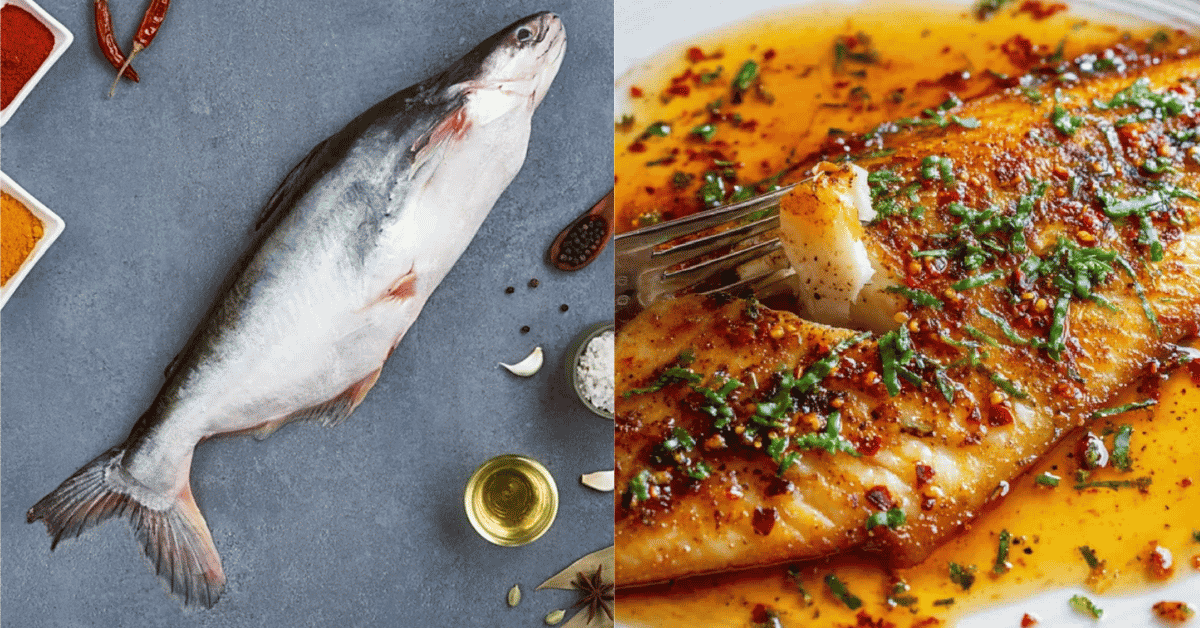
Ok so the first thing anyone notices about basa fish is the price. Walk into pretty much any grocery store, go to the freezer aisle, and there it is way cheaper than salmon, cod, haddock, whatever else happens to be sitting next to it. No bones. Mild taste. Cooks fast. Honestly it’s the fish people grab on a night when they just want dinner over with, nothing fancy.
And naturally, cheap makes people suspicious. Is actually good for you? Where does it even come from? Is there some catch nobody’s telling you about? Not really. You don’t need to avoid basa fish like it’s dangerous, but you also don’t need to hype it up like it’s some miracle food. It’s just an affordable white fish some strengths, a few weak spots, and that’s kind of it.
So What Is Basa Fish, Actually?
Basa fish is a freshwater and most of what ends up in the US is farmed in Vietnam raised in big river systems before getting processed and shipped overseas. It’s part of the pangasius family, and here’s where it gets a little confusing: basa, swai, tra, pangasius, people throw these names around like they’re all the same fish. They’re related, sure. Not always identical species though. If you actually care what you’re buying, check the label instead of just guessing.
In most stores it shows up frozen already, skinless and boneless. Thaw it and you’re basically ready to cook.
What Does Basa Fish Taste Like?
Mild. Like, genuinely mild not rich the way salmon is, nowhere near as strong as mackerel or sardines. If “fishy” fish has ever put you off, basa fish is probably one of the easier starting points.
The flesh is white, soft, kinda delicate honestly. And because the flavor doesn’t do much on its own, it just takes on whatever you cook it with. Lemon and garlic obviously, but Cajun spice works, curry works, chili, breadcrumbs, herbs all of it’s fine.
One thing that annoys me a bit it can come out watery, especially after being frozen. Thaw it all the way, pat it dry with paper towels before it hits the pan, or you’ll basically steam it instead of getting any color on it. It also cooks fast. Too fast sometimes. Walk away two extra minutes and it starts falling apart on you.
Basa Fish Nutrition
Protein’s really the main thing basa fish brings. A plain fillet’s low carb, fairly low fat, and there’s some selenium, phosphorus, B12 mixed in there too.
But and this actually matters the numbers change depending on the brand. Some frozen fillets get extra water, sodium, or preservatives added during processing, so two bags that look nearly identical on the shelf can have pretty different labels. Worth checking, if you’re someone who actually reads that stuff (most people don’t, I get it).
Omega-3s? There’s some in basa fish, just not a lot. If that’s what you’re chasing, salmon, sardines, trout, mackerel do way more for you. Doesn’t make a bad choice, it’s just more of a convenient lean protein than something you’d call nutrient-dense.
Benefits of Eating
It’s Cheap Protein
Protein helps with muscle repair, general upkeep, all that. Basa fish lets you add protein to a meal without spending much at all. Bake a fillet, throw in some roasted veggies and potatoes, done filling dinner, not heavy. Works fine in tacos too. Rice bowls. Soups, curries, honestly whatever you’ve got going that night.
Though people forget this a lightly seasoned baked fillet and one drowned in batter and deep fried aren’t really the same food anymore. Worth keeping in mind.
It’s Easy to Like
Not everyone wants a strong seafood taste hitting them right away. Kids, picky eaters, people trying fish for basically the first time in their life tends to work for most of them because it just doesn’t overwhelm anything. That mildness is exactly why it slides into sandwiches, pasta, tacos, or a plain baked dinner without needing some complicated recipe behind it.
It’s Just Convenient
Frozen basa fish sits there till you actually need it. Thin fillets, quick cooking time. On nights where there’s zero energy left for cooking and we’ve all had those that convenience matters more than people usually give it credit for.
Is Basa Fish Safe to Eat?
From a legit grocery store, stored properly, cooked right yeah, basa fish is generally fine. Most of the worry around really comes down to farming conditions. Water quality, antibiotic use, how consistent processing is from one supplier to the next. And that’s the real catch quality isn’t the same across every brand out there.
So buy from somewhere you actually trust, and check the packaging while you’re at it. Seal should be intact, label should clearly say what fish it is, no bad freezer burn on the fillets.
Big ice crystals inside the bag usually mean it sat around a while, or went through a thaw-refreeze cycle at some point. Doesn’t automatically mean it’s unsafe, but it’s probably not going to taste its best either, so.
Check the ingredient list too. Plain fish shouldn’t need a long one. Added sodium just means saltier taste — matters if you’re watching intake.
How to Prepare Basa Fish Safely
Thaw basa fish in the fridge. Not on the counter raw fish sitting out for hours isn’t worth the risk, no matter how much of a rush you’re in.
Need it faster? Keep it sealed in the packaging, drop it in cold water, swap the water out as needed until it softens up.
After handling raw basa fish, wash your hands, clean whatever it touched knives, boards, counters. Keep it away from stuff that won’t get cooked afterward, like salad or bread.
You want opaque flesh, flaking easily with a fork. Internal temp around 145°F. Oven usually takes 12 to 15 minutes depending on thickness. Pan frying, a few minutes each side normally does it.
Good for Weight Management?
Can be, yeah. Plain basa fish fillets give you protein without loading on a bunch of fat. The fish itself is rarely the actual problem it’s what happens to it in the kitchen afterward. Heavy breading, butter, cream sauces, way too much oil, that’s where the calories sneak in.
Bake it, steam it, grill it, air-fry it doesn’t really matter which. Pair it with vegetables, rice, beans, salad, and that’s about as balanced as a meal gets.
Should You Eat Basa Fish Regularly?
Nothing wrong with eating basa fish often, but it probably shouldn’t be the only fish you ever touch. Different fish bring different things to the table nutritionally salmon and sardines for omega-3s, cod and pollock as other lean picks. Rotating between a few gives you a wider spread than just sticking to one.
Basa fish is basically the reliable, budget-friendly backup of the seafood world. Does its job well. Doesn’t need to be the star of every dinner you make, and that’s fine.
Frequently Asked Questions About Basa Fish
Is basa fish healthy?
Yeah, especially when it’s baked, grilled, or air-fried instead of deep-fried.
Is basa fish the same as swai?
Not exactly. They’re related, but not necessarily the same species.