Hibiscus Flower Basics: Care, Growth And Common Problems
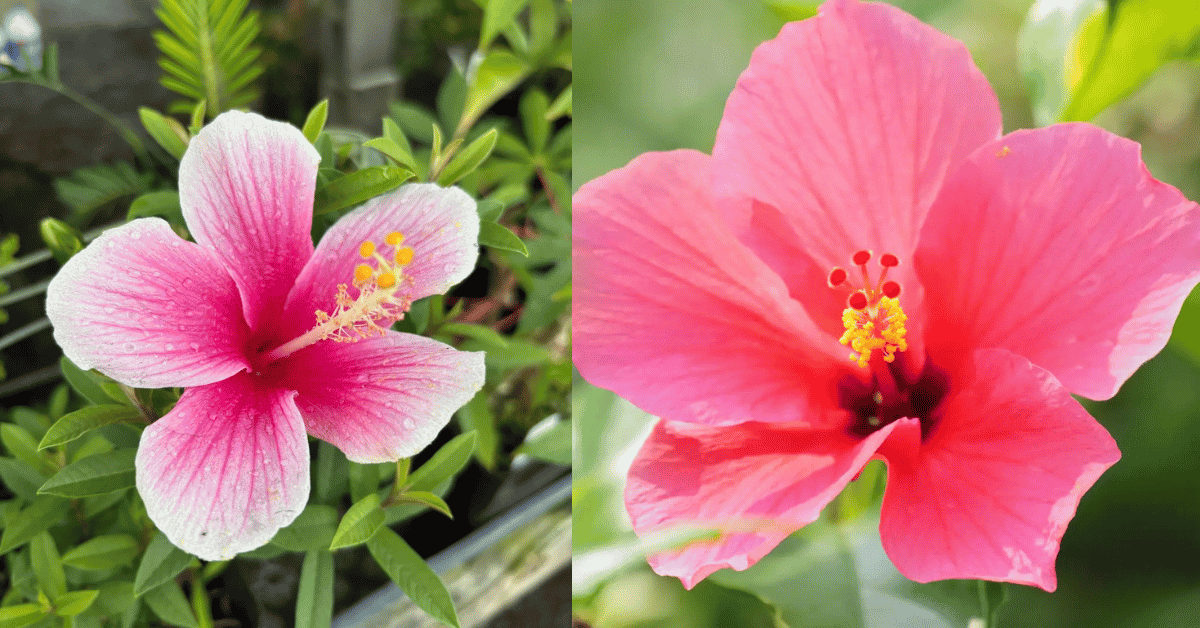
Big, colorful blooms. Hard to miss, honestly. A hibiscus flower like that just takes over a garden or a sunny patio the moment it opens up. Comes in loads of colors too, gives even a boring outdoor space that tropical vibe instantly.
Good news keeping one alive isn’t rocket science. Light, water, drainage, right temps. Nail those, and you’re mostly good.
Getting to Know the Hibiscus Flower
Hibiscus covers a huge group of flowering plants, actually. Varieties look wildly different from each other sometimes, but that big trumpet-shaped bloom? That’s the giveaway everyone recognizes.
Tropical types need warmth. Hardy ones can shrug off much colder winters without a problem.
Matters a lot if you’re planting outdoors in the US. A tropical hibiscus flower loving your Florida summer might just die if it hits a hard freeze up north.
Tropical Hibiscus vs. Hardy Hibiscus
Tropical Hibiscus
Bright blooms, thick green leaves that’s tropical hibiscus in a nutshell. Wants warmth, wants sun.
Freezing winters where you are? Container’s your friend here. Outside in summer, tucked away somewhere warm once winter shows up.
Hardy Hibiscus
Handles cold way better. Winter comes, top part might just die off completely looks dead, honestly, first time you see it. Comes back from the roots come spring though, usually with a fresh hibiscus flower or two by summer.
Big blooms too, sometimes genuinely showstopping in a garden bed.
How Much Sun Does It Need?
Bright spot, direct sun that’s the sweet spot generally.
Not enough light? Leaves look fine, flowers don’t show up much though. Blooms disappointing? Check the light situation before dumping on more fertilizer.
Hot climates, one small catch afternoon heat stresses potted plants out fast, especially once soil dries quick.
Watch your hibiscus flower closely during peak heat hours instead of just following some rigid routine blindly.
Watering Don’t Overdo It
Regular moisture, yes. Soaking wet constantly? Different story entirely.
Feel the soil before watering. Dry on top water it. Still damp wait it out a bit longer.
Pots especially. Dry out fast in summer sun, way faster than you’d expect.
Drainage matters just as much, though. No proper drainage, roots sit in water, and that’s trouble waiting to happen.
What Soil Works Best?
Drainage easy thing to forget about honestly.
Wants soil holding some moisture, but letting extra drain off too. Potting mix beats regular garden soil for containers, generally speaking.
More water isn’t the fix for everything, by the way. Sometimes roots just aren’t getting air because everything’s staying too wet, too long.
Feeding Your Hibiscus Flower
Regular feeding helps, especially when it’s actively growing.
Fertilizer made for flowering plants, used as the label says works fine. Dumping extra on because blooms are lacking? Doesn’t really help.
Overdoing fertilizer causes its own headaches too.
Healthy leaves, fresh growth already? Keep feeding simple. Check sunlight and watering before messing with everything else.
Pruning
Mostly about keeping things healthy, tidy.
Dead or damaged branches first. Too tall, uneven? Selective cuts fix the shape, push fresh growth sometimes a fuller hibiscus flower display too.
Tropical and hardy hibiscus grow differently, though don’t treat them the same. Wrong timing on pruning backfires.
And no need to hack away aggressively either. A few smart cuts usually does it.
Common Problems
Even well-cared-for plants hit snags sometimes. Just happens.
Yellow Leaves
Not automatically a fertilizer issue.
Overwatering, bad drainage, temperature swings, nutrients, or just normal aging any of these cause yellowing.
Check soil first. Wet for days? Look at drainage and watering before adding anything new.
Buds Falling Off
Annoying, watching a hibiscus flower bud drop before it even opens.
Temperature swings, uneven watering, pests, general stress — could be any of it.
Keep conditions steady where you can. Inspect closely, especially near new growth.
Pests
Aphids, whiteflies, spider mites show up occasionally.
Easy to miss on top of leaves. Check underneath too, and around fresh shoots specifically.
Catch it early way easier than dealing with a full-blown infestation later.
Growing One in a Container
Great option for tropical hibiscus in colder regions.
Drainage holes, room for roots to spread. Good sunlight spot, watch soil closely in hot weather.
Winter coming? Move it somewhere safe before frost hits.
Indoors, it typically needs less water. Good light still matters, check soil before watering as usual.
Keeping Your Hibiscus Flower Healthy
Really just comes down to paying attention, not some strict rulebook.
Sunlight. Water when needed. Roots not drowning. Reasonable feeding during growth, trim damaged bits when necessary.
Something off? Check basics first. Yellow leaf or missing bloom doesn’t always mean buying another product.
Get conditions right, and a hibiscus flower just keeps blooming becomes one of the standout plants in your yard.
Quick FAQ
How often should I water my hibiscus flower?
Check the soil instead of a fixed schedule. Dry on top, water it. Still moist, wait.
Why isn’t my hibiscus flower blooming?
Usually not enough sunlight. Check that before blaming fertilizer.
Can a hibiscus flower survive winter outdoors?
Depends on type. Hardy varieties handle cold fine, regrow from roots. Tropical ones need shelter from freezing temps.