Hair Spray For Every Hair Type: What To Look For
Picking a hair spray sounds simple, right up until you’re standing in front of a shelf full of cans all promising extra hold, volume, shine, humidity protection take your pick, basically. That’s usually where things get confusing fast.
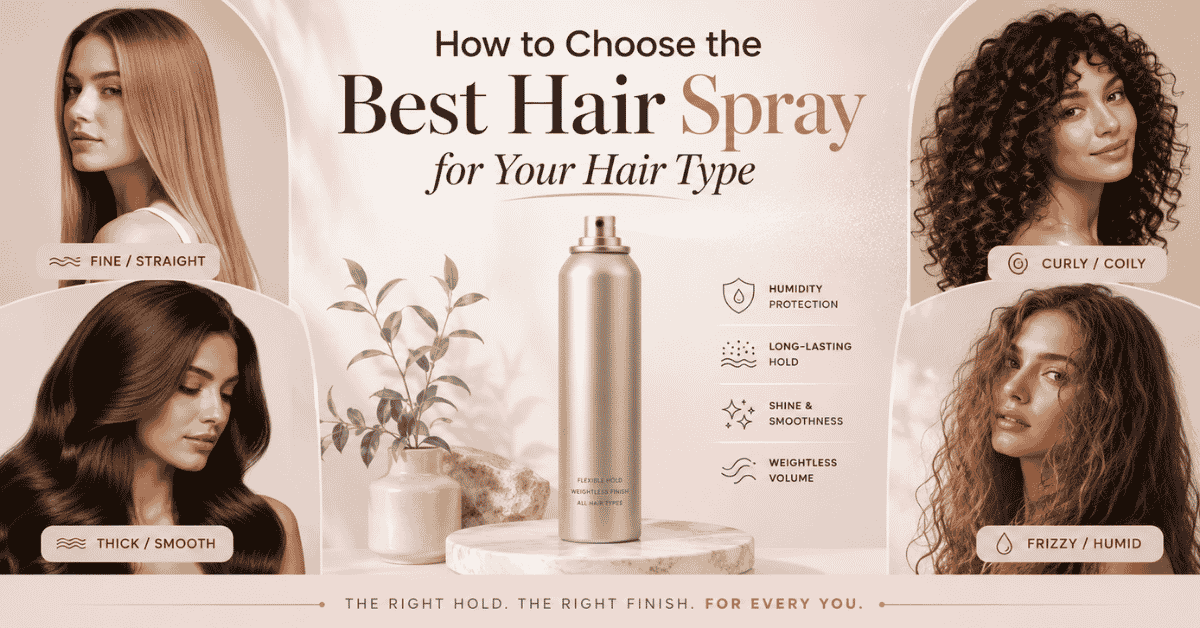
Truth is, your hair type has a lot to do with what actually works for you. Fine hair goes flat almost instantly with a heavy formula. Thick hair might barely notice a light one. Curly hair’s got its own whole set of needs, especially if humidity turns your curls into a frizzy mess by noon.
The trick isn’t hunting down the strongest hair spray on the shelf. It’s finding one that suits your hair and whatever look you’re actually going for.
Fine Hair Needs a Light Touch
Fine hair’s genuinely tricky to style, mostly because too much product flattens it out almost immediately.
Lacking volume? Go lightweight instead of grabbing some heavy, ultra-firm formula. Volumizing sprays work particularly well around the crown and roots if you want that fuller look post-styling.
You also don’t need to drench your whole head. Lift a section, mist lightly underneath, let it settle. You can always add more later a lot harder to undo once it’s already on there.
That approach usually gives fine hair the support it needs without leaving it feeling coated or stiff.
Thick Hair Needs More Control
Thick hair’s a completely different beast. Looks perfect walking out the door, starts falling apart two hours later classic.
A stronger-hold spray helps here, genuinely. Especially good for updos, polished looks, or anything expected to survive a long day without wilting.
Try spraying in sections rather than holding the can over your entire head and just going nonstop. You’ll get way more even coverage, and honestly, better control overall.
Thick hair that’s also dry? Don’t automatically grab the strongest product on the shelf. Some really firm formulas leave dry strands feeling rough and just uncomfortable to touch.
Curly Hair Needs Room to Move
Curly hair doesn’t always need locking down completely.
For a lot of people with curls, the actual goal’s keeping the natural shape while cutting frizz and helping the style hold longer. A flexible-hold spray works well since it adds control without turning curls stiff or crunchy.
Humidity’s a bigger issue here too. Moisture in the air makes curls expand, lose their definition fast so something with humidity or frizz protection genuinely helps on warmer, damp days.
Apply a light layer once curls are styled. Keep adding product all day, though, and buildup creeps in, hair starts feeling heavy, loses that bounce.
Dealing With Frizz and Humidity
Frizz doesn’t always mean damaged hair. Sometimes it’s just the weather working against you, plain and simple.
Humidity makes hair absorb moisture from the air, and that throws off a smooth style pretty quick. Happens a lot? A humidity-resistant spray’s worth looking into.
These are built specifically to shield your finished style from moisture floating around in the air. Especially handy before spending time outdoors on a sticky, humid day.
For everyday frizz though, you probably don’t need anything super strong. A lighter finishing spray usually tames flyaways fine while keeping things looking natural.
Flexible Hold or Strong Hold?
Think about how you actually want your hair to look once everything’s dried.
Flexible-hold products suit styles where movement matters loose waves, soft curls, ponytails, everyday looks all benefit here.
Strong-hold stuff works better when the style needs to stay locked in place. Wedding, formal event, long night out that’s exactly when stronger control pays off.
No real point using firm-hold on a style meant to move naturally. Goes the other way too a light mist won’t hold up for something elaborate that needs to survive several hours straight.
Hair Spray and Heat Styling
Regularly straightening or curling your hair? Don’t assume your styling spray also protects against heat surprisingly common mix-up.
Heat protectant and finishing hair spray do totally different jobs. Heat protectant goes on before the straightener or curling iron touches your hair. Finishing spray comes after, once the style’s actually done.
Some products combine both, sure, but check the label rather than just assuming protection’s baked in.
Simple routine that works fine heat protection first, style your hair, then hair spray at the end if extra hold’s needed.
How Much Hair Spray Should You Actually Use?
Probably way less than you think.
One of the easiest ways to wreck a style is spraying more just because the first layer doesn’t feel strong enough yet. Give it a second to actually dry before deciding you need round two.
Keep the can a reasonable distance away, keep it moving while spraying. Gives you a finer mist instead of one heavily soaked patch.
For flyaways specifically, spray a bit onto a brush or your fingertips instead, then smooth over the problem area gently.
Goal’s control here, not a helmet.
Check the Formula Before Buying
Words on the front of the can tell you something, sure, but shouldn’t be the only thing guiding your decision.
Dry hair probably want something that leaves it soft, not stiff and rigid. Fine hair — lighter products are just easier to work with, generally speaking.
Curly or frizz-prone hair look specifically for humidity control or anti-frizz claims on the label.
Sensitive scalp? Fragrance is worth checking too. A heavily scented spray gets old fast if you’re wearing it for hours on end.
Your hair’s current condition matters as well. Colored, bleached, or frequently heat-styled hair reacts pretty differently to styling products compared to hair that’s never been touched.
Finding the Right Hair Spray
The best hair spray really isn’t the one with the biggest hold claim printed on the can.
Fine hair generally does better with lightweight volume and flexible control. Thick hair might need something stronger. Curly hair usually works best with a flexible formula that lets curls actually move around, while frizz-prone hair benefits specifically from humidity protection.
Start small, build up from there. Way easier adding another light layer than trying to fix hair that’s already drowning in product.
A good hair spray should support your style quietly not become the most noticeable thing about it.
Quick FAQ
What hair spray is best for fine hair?
A lightweight, flexible-hold spray usually works best since it adds control without weighing hair down.
Can hair spray reduce frizz?
Yeah anti-frizz and humidity-resistant sprays genuinely help keep hair smoother, especially in humid weather.