Green Tea Benefits, Caffeine And Brewing Tips
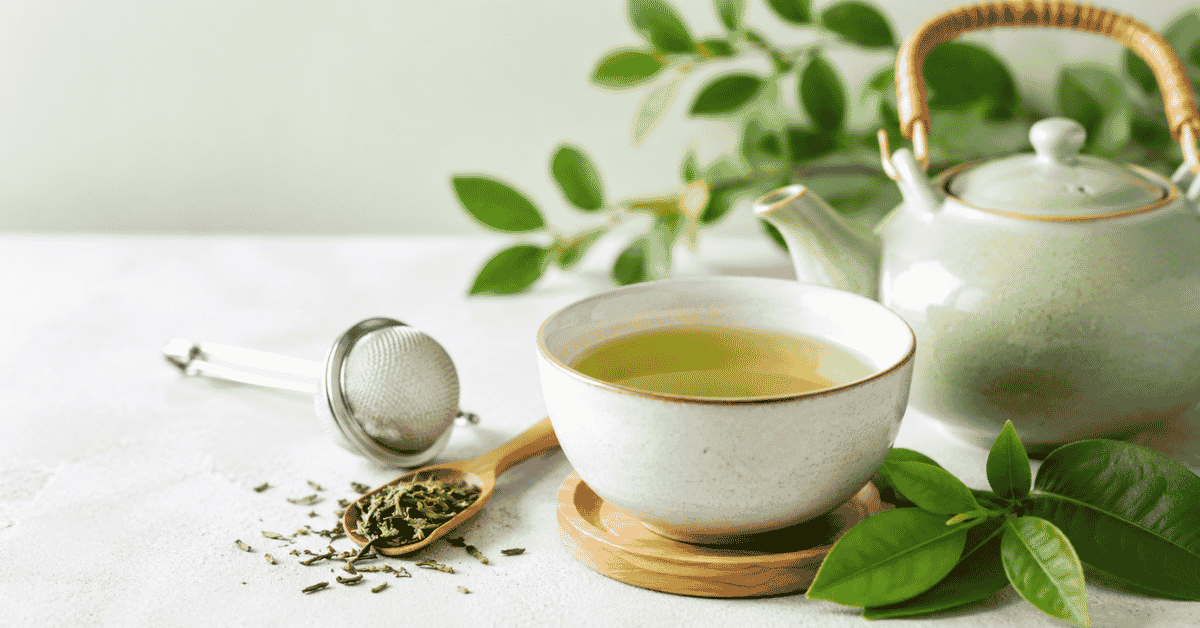
There’s a reason green tea’s stuck around this long. Light enough for daytime drinking, has a bit of caffeine, doesn’t need much added at all. A good cup fresh, slightly sweet, grassy, nutty, sometimes even floral. Depends entirely on the type.
Funny thing, though. Two cups of green tea can taste totally different, even from the same plant. Leaf variety, processing, water temp all of it shifts the final result.
Tea tastes too bitter or too weak? Might not be the tea’s fault at all. Could just be how you’re brewing it.
What Is Green Tea, Exactly?
Comes from the leaves of the Camellia sinensis plant. Black tea, oolong, plenty of other traditional teas same plant, actually, just processed differently.
That’s the real difference. Green tea leaves get heated pretty soon after harvest, which limits oxidation. Keeps that lighter color, fresher flavor intact.
Which explains why the taste range’s so wide. Some varieties gentle, slightly sweet. Others stronger, more vegetal and certain Japanese teas lean savory, oddly enough.
Tried green tea years back, hated it? Doesn’t mean you dislike green tea overall. Different variety, different experience entirely.
Green Tea Benefits
Green tea’s got naturally occurring plant compounds called polyphenols. Catechins get a lot of the scientific attention here, EGCG especially.
Comes up a lot in healthy-diet conversations because of these compounds. Research’s looked into potential health connections, though worth saying drinking green tea’s not a cure or replacement for actual medical care.
Simple everyday perk too, though. Unsweetened green tea’s low-calorie, easy swap for sugary drinks.
Trick’s not turning every cup into dessert, though. Dump in enough sugar, and you’ve basically undone the whole point.
How Much Caffeine’s Actually In There?
Yeah green tea has caffeine, no question.
Amount’s not fixed, though. Changes with tea type, how much leaf you use, water temp, steep time.
Feels like a gentler alternative to coffee for a lot of people. Sensitive to caffeine, though? You’ll probably still notice it, especially after a few cups back to back.
Also contains L-theanine an amino acid naturally in tea leaves. Comes up a lot alongside caffeine talk, though everyone reacts a bit differently.
Notice it messing with your sleep? Drink it earlier in the day. Obvious fix, honestly.
Popular Green Tea Types
Tea shop can get overwhelming fast so many names flying around. Worth knowing a few basics.
Sencha
One of the best-known Japanese green teas. Fresh, vegetal character generally, though it ranges from delicate to fairly bold depending on the specific batch.
Matcha
Different animal entirely leaves ground into a fine powder. Instead of filtering leaves out, you whisk the powder right into water, drink it as-is.
Way stronger flavor than most ordinary green teas. Can pack a serious amount of caffeine too, depending on how much you use.
Jasmine Green Tea
Green tea base, jasmine flower fragrance layered on top. Good pick if floral’s more your thing than the grassier taste some green teas lean into.
Getting the Water Temperature Right
Probably the easiest brewing mistake out there.
You’d assume boiling water’s the move for tea but delicate green tea turns bitter fast when hit with really hot water.
Let it cool slightly before pouring over the leaves. Exact temp depends on the variety, so package instructions are a decent starting point here.
Tea tastes harsh every single time? Don’t blame the leaves right away. Try dropping the water temp first usually the actual culprit.
How Long Should You Brew It?
Steeping time matters more than people think, honestly.
Leave it too long, flavor gets noticeably stronger, more bitter. Too short, and the cup tastes thin, watery.
No need obsessing over a stopwatch. Just follow the recommended time as a starting point.
Once you know how a tea behaves, tweak from there. Want more flavor? Add a bit more tea leaf instead of just letting it sit longer.
Tea Bags or Loose Leaf?
Tea bags win when convenience’s the priority, plain and simple.
Quick cup, barely any cleanup, no special gear needed. Busy morning? That simplicity’s genuinely worth something.
Loose-leaf’s more flexible, though. Control exactly how much tea you use, and the leaves get more room to actually open up while brewing.
Neither’s automatically right. Need something fast heading out the door? Bags. Tea’s part of your routine, enjoy experimenting? Loose leaf’s worth a shot.
Making Green Tea Part of Your Routine
Don’t need some elaborate setup to enjoy this, honestly.
Start with a variety you actually like. Plain if you enjoy the natural flavor, or add something small lemon, mint, a touch of sweetener.
Watch the caffeine too. Morning cup’s probably fine. Same drink late at night? Might leave you wishing you’d gone caffeine-free instead.
Best routine’s whatever fits your actual day not some rigid set of rules you’re forcing yourself into.
Choosing a Green Tea You’ll Actually Enjoy
No single “best” green tea exists, really.
Like lighter flavors? Try a delicate Japanese variety. Want something stronger? Matcha’s a totally different experience. Into floral notes? Jasmine’s worth a look.
Found a variety you genuinely like? Focus on brewing it right. Water that’s not too hot, recommended steep time, adjust gradually based on taste.
Small tweaks here make a surprisingly big difference in the final cup.
Quick FAQ
Does green tea contain caffeine?
Yes amount varies depending on tea type, serving size, and brewing method.
Can boiling water make green tea bitter?
It can. Very hot water brings out more bitterness, especially in delicate green teas. Recommended brewing temp usually gives a smoother cup.