
Portable Nebulizer Buying Guide for Home and Travel
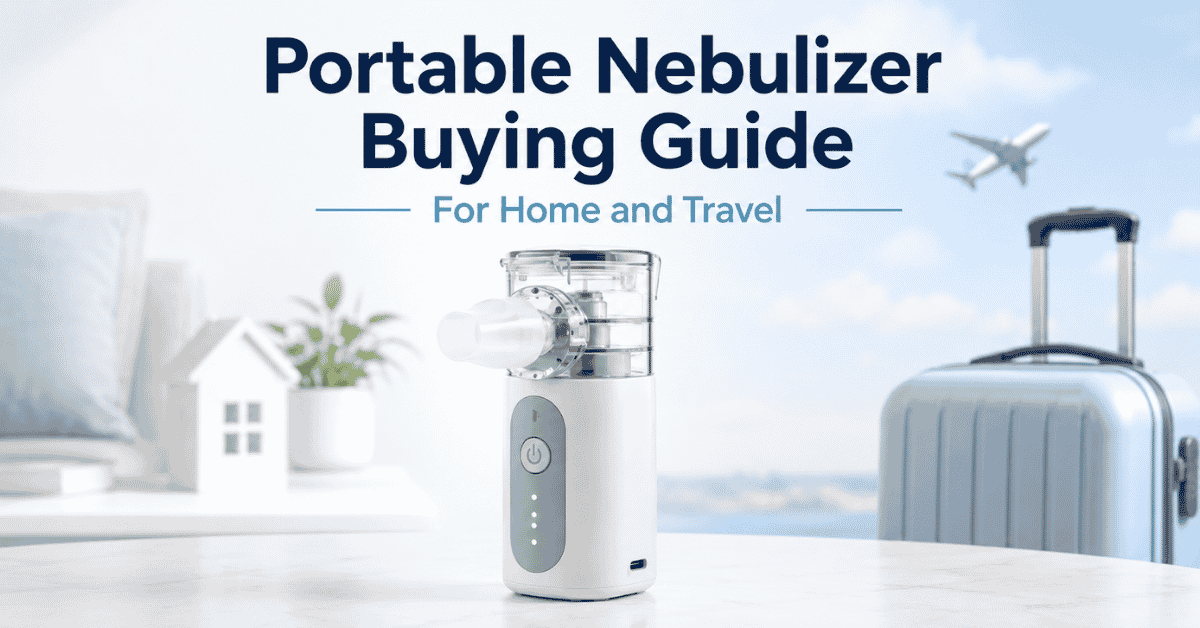
Need respiratory medication away from home? That’s basically where a portable nebulizer comes in. Unlike the bulkier tabletop machines, compact models are built with mobility in mind — easier to carry to work, on a trip, or honestly just room to room around the house.
Size isn’t the only thing to think about though. Noise, battery life, medication compatibility, cleaning, ease of use all of it decides whether a device actually fits your everyday life or just ends up sitting unused in a drawer somewhere.
Comparing options? Look past the packaging. Focus on how the nebulizer’s actually going to fit your routine, not just how good it looks in the photos.
What Is a Portable Nebulizer, Exactly?
A nebulizer’s a medical device that turns liquid medication into a fine mist you breathe in through a mouthpiece or mask.
Portable versions do the exact same job, just built for easier transport. Plenty of compact models run on rechargeable batteries these days, some can work off USB power or disposable batteries too.
Medication and treatment method always follow whatever your healthcare provider and the manufacturer actually specify. Doesn’t matter which device you end up going with, that part stays the same.
For someone needing regular treatments, portability genuinely counts for something here. A device that’s easy to carry is way less likely to get left behind at home just because it’s annoying to bring along everywhere.
Size and Weight
First thing worth checking, honestly — the physical size.
A travel-friendly nebulizer should fit comfortably in a handbag, backpack, or carry-on without eating up all the space. Weight matters too, especially if you’re already lugging other gear around, or traveling often.
Smaller isn’t automatically better, though — worth keeping that in mind.
A really compact device might come with a smaller medication cup, or just work a bit differently overall. Check the specs before buying, make sure the size actually suits how you’ll use it day to day.
Mostly staying home, just need to move it room to room now and then? Probably don’t need the smallest model on the shelf.
Battery Life for Travel
Battery performance matters a lot more once you’re away from a wall outlet, obviously.
Rechargeable models are convenient — charge it up before heading out, done. Some also offer alternative power options, which genuinely helps on longer trips away from home.
Check how the manufacturer describes battery capacity and charging time. Takes forever to recharge? Gets old fast if you’re using it regularly.
For travel specifically, think about what happens if the battery just dies mid-trip. Having a compatible charging method on hand stops a small power issue from wrecking your whole day.
Noise Level Matters More Than People Expect
Traditional nebulizers get pretty loud, honestly, no way around it. Might not bother you much at home, but it’s way more noticeable in public or shared spaces.
A quieter portable nebulizer’s just more comfortable to use around other people — hotel room, workplace, wherever you happen to be while traveling.
Don’t assume every compact device runs silent, though. Check the noise specs when they’re actually listed, since not every brand bothers.
Lower noise doesn’t mean better treatment performance either, worth being clear on that. Just makes the whole thing less disruptive for people around you.
Mesh, Jet, and Ultrasonic Types
A few different technologies here, worth knowing the difference between them.
Jet nebulizers use compressed air to create the mist. Familiar, old-school type though bulkier and noisier compared to some newer designs.
Mesh versions use a fine mesh instead to produce the aerosol. Usually compact, pretty quiet too, which is exactly why they’re popular for travel these days.
Ultrasonic ones use high-frequency vibrations to make the mist. Suitability really depends on the medication involved, since not every medication plays nice with every nebulizer type.
Important point don’t pick based purely on size or whatever tech sounds coolest. Always double-check it’s actually compatible with what’s prescribed for your treatment.
Ease of Cleaning
Not the fun part of owning a nebulizer, sure, but it should still factor into the decision somehow.
A device with fiddly, complicated parts gets old fast if you’re cleaning it constantly. Look for something where the medication cup, mouthpiece, mask, and other bits are easy to actually get to.
Stick to the manufacturer’s cleaning instructions always. Don’t just assume every part can be submerged, boiled, or thrown in a dishwasher — varies quite a bit model to model.
Proper maintenance matters too, keeps the device working the way it’s meant to over the long haul.
Mouthpiece or Mask?
Portable nebulizers often come with a mouthpiece, a mask, sometimes both together.
A mouthpiece works well for most adults since medication mist goes in directly. A mask tends to suit young kids better, or anyone struggling to keep a good seal around a mouthpiece.
Comfort matters here more than you’d think. Mask doesn’t fit right, mouthpiece feels off using the thing turns into more of a hassle than it should be.
Check what’s actually included in the box, and whether replacement parts are easy enough to find later on.
Using One While Traveling
Travel throws in a few extra things worth thinking through beforehand.
Keep the nebulizer and its accessories together, rather than scattering the medication cup, mask, tubing, and power cable across different bags. A small storage case makes this way easier to manage overall.
Flying? Check your airline’s current rules and any transportation requirements before the trip. Keep medical equipment and prescribed medication packed properly, and easy to reach when needed.
For longer trips, plan ahead — how you’ll recharge it, whether you might need replacement parts or batteries somewhere along the way.
What to Look for Before Buying
The right portable nebulizer should genuinely fit your actual routine, not just look good on paper.
Think size, weight, battery system, noise level, technology type, cleaning requirements, included accessories. Most importantly — make sure it actually works with whatever medication’s prescribed for you specifically.
A model that looks impressive on some product page isn’t necessarily right for your situation. Sometimes a simpler device ends up way more useful if it’s easy to operate, clean, carry, and maintain day after day.
Portability’s supposed to make treatment more convenient. Not add another complicated gadget into your day.
Quick FAQ
How portable are nebulizers, really?
A lot of compact models are small enough to toss in a bag, though size and weight vary quite a bit between different devices.
Can every medication be used with a portable nebulizer?
No. Medication compatibility depends on the specific nebulizer and medication combo. Always follow your healthcare provider’s instructions along with the manufacturer’s guidance.