Garden Apartments: Pros, Cons and What Renters Should Expect
A quiet home. Some greenery outside. Parking right by the door. It all sounds pretty ideal after touring one too many crowded apartment towers. Garden apartments often deliver exactly that relaxed setting but the real experience comes down to the specific property, where it sits, and what’s actually written into the lease. Before signing anything, look past the landscaping. Think hard about noise, maintenance, security, and what the place really costs each month, once everything’s added up.
What Are Garden Apartments?
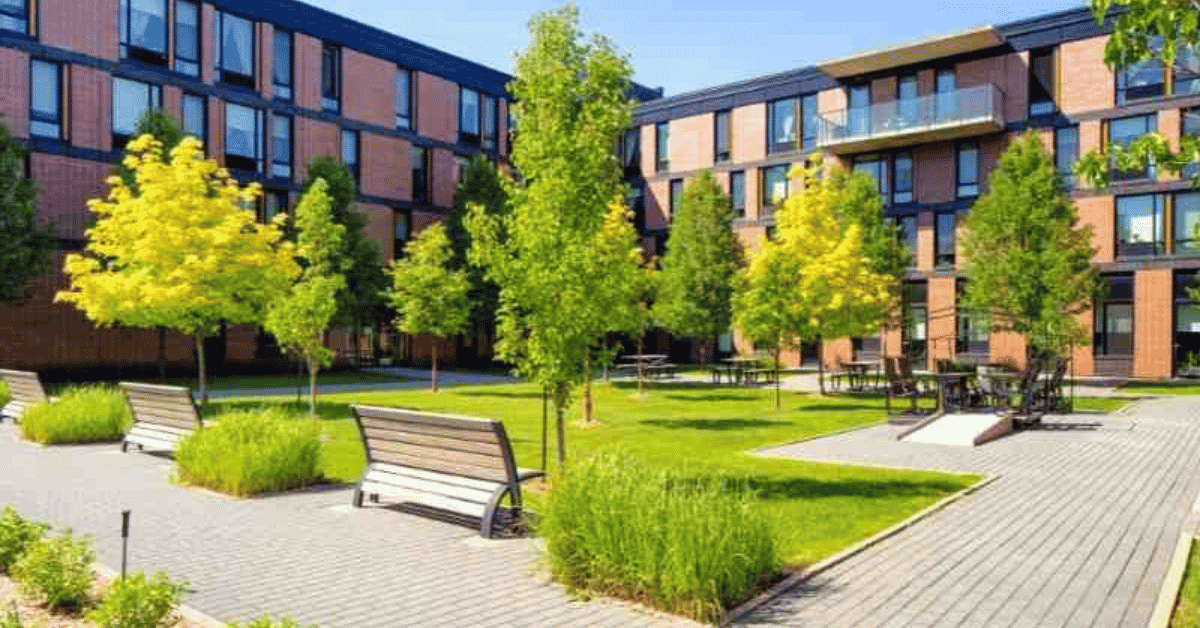
Garden apartments are typically low-rise buildings wrapped in lawns, trees, courtyards, or shared outdoor space. Most communities are made up of several small buildings rather than one tower reaching skyward. Units often come with private entrances, patios, balconies, or direct access to a walkway right outside.
This style shows up constantly across suburban and outer-city areas in the USA. Older communities tend to have larger rooms. Newer developments lean into updated finishes and shared amenities instead a different trade-off, not necessarily a worse one.
The Main Advantages of Garden Apartments
One of the biggest draws is the lower-density feel, plain and simple. Fewer neighbours sharing the building. No long elevator waits. Just a short walk from the car to the front door most days. Ground-floor units make life easier too hauling groceries, strollers, bikes, or pets in and out stops being a production.
Outdoor space is the other big pull. Mature trees, actual grass, shaded paths all of it makes a rental feel far less boxed-in than a stack of identical units ever could. Some garden apartments also come with more windows than you’d find in a bigger building, and that tends to help daylight and airflow more than people expect going in.
Rent can come in lower than a downtown tower. Not guaranteed, though. Compare the full picture utilities, parking, pet fees, trash charges, amenity fees before you assume you’re actually saving anything.
The Drawbacks Renters Often Miss
A nicely landscaped setting doesn’t automatically mean peace and privacy. Parking spots can sit uncomfortably close to bedroom windows. Outdoor stairs carry sound further than you’d think. Older walls sometimes offer surprisingly little insulation between units. Ground-floor homes can feel exposed too, if a walking path runs right past the windows.
Pests are worth thinking about. Ants, spiders, roaches, rodents all more likely when a building sits close to soil, shrubs, and trash areas. Ask how often pest control actually shows up, and whether treatment’s even included in the rent you’re already paying.
Drainage is another one people overlook until it’s too late. After heavy rain, low-lying paths, patios, or parking areas can pool water fast. Keep an eye out for stains, soft ground, musty smells, or marks around doors and baseboards small signs, but they usually point to something bigger going on underneath.
Evaluating Royal Oaks Apartments
Here’s something worth knowing before you go any further: the name Royal Oaks Apartments gets used by completely different, unrelated communities scattered across several states. So confirm the exact street address and management company first — reviews and pricing for one property tell you nothing useful about another one three states away.
When touring Royal Oaks Apartments, don’t just look at the model unit. Walk the actual grounds too. Broken lighting, overflowing trash areas, damaged walkways small details like these often say more about how consistently a property gets managed than any polished show unit ever will.
Ask Royal Oaks Apartments directly about maintenance response times, after-hours emergencies, and pest-control procedures. A low advertised rent means very little if repairs drag on for weeks, or the same problems keep resurfacing month after month.
Check parking at Royal Oaks Apartments in the evening, not during some conveniently empty daytime visit. Guest parking rules, towing policies, assigned spaces all of it shapes your daily experience more than the listing photos ever let on.
Before choosing Royal Oaks Apartments, run the numbers against at least two nearby properties. Deposits, application fees, utility billing, mandatory monthly add-ons the advertised rent rarely tells the whole story on its own.
Try visiting the community after rain, or during a busier stretch of the day. It gives you a far clearer read on drainage, traffic, noise, and how people actually use the shared spaces day to day, not just how they photograph.
And finally actually read the Royal Oaks Apartments lease, every page of it. Pay close attention to renewal terms, notice periods, pet restrictions, and early-termination charges before signing off on anything.
Evaluating Twin Oaks Apartments
Twin Oaks Apartments is another name shared across several unrelated rental communities, which makes location-specific checking just as essential here. Confirm the city, ZIP code, and management company before putting any weight on online reviews you find.
At Twin Oaks Apartments, pay attention to exactly where the available unit sits within the complex. A unit near the entrance may pick up more vehicle noise. One tucked beside the trees might get less sunlight — and more insects, depending on the time of year.
Ask Twin Oaks Apartments directly whether water, trash collection, parking, internet, or pest control gets billed separately from the base rent. Small add-on charges have a habit of quietly reshaping the monthly total.
Test your mobile reception inside Twin Oaks Apartments, and ask which internet providers actually serve the address. Trees, thick walls, where the building sits all of it can weaken a signal more than people expect walking in.
For any ground-floor unit at Twin Oaks Apartments, check the window locks, patio doors, and exterior lighting carefully. Walk past the unit from outside too. It tells you far more about privacy than a tour from indoors ever will.
Visit during your actual commuting hours, not some quiet off-peak window. A short distance on a map can still mean heavy traffic, tolls, or barely-there public transport once you’re living it every single day.
Before signing with Twin Oaks Apartments, go through the rules on guests, pets, subletting, and lease transfers. These clauses rarely seem to matter on day one. They tend to matter a great deal later.
What to Inspect During a Viewing
Open the cabinets. Look beneath the sinks. Check the ceilings for water marks while you’re already down there. Test the faucets, shower pressure, heating, air conditioning, and any major appliances included with the unit. A suspiciously strong air freshener is sometimes hiding dampness, smoke, or some other odour nobody’s keen to mention out loud.
Outside, check the stair rails, lighting, pathways, and trash areas. Listen with the windows closed, then again with them open — noise changes more than most people expect. And always ask to see the actual unit you’d be renting, not a staged model conveniently located down the hall.
Final Thoughts
Garden apartments can offer real space, greenery, and easier day-to-day access than a lot of high-rise rentals manage. They can also bring noise, pests, drainage headaches, and longer commutes than the listing ever lets on. Judge the specific unit in front of you, not the pleasant-sounding property name attached to it. A careful viewing, a full fee comparison, and an actual read of the lease will tell you far more than any set of listing photos.
FAQs
Are Ground-Floor Units a Good Choice?
They’re convenient, sure — but check privacy, locks, lighting, pests, and drainage before deciding either way.
Are These Communities Usually Cheaper?
Sometimes. Compare total monthly costs, since parking, utilities, and required service fees can quietly erase whatever saving looked appealing at first glance.