Buffs Glasses: Costs, Materials and Popular Styles
You may have heard someone call a pair of Cartier frames “Buffs” and wondered whether that was the name of a particular model. It’s not quite that simple, honestly. Never really is with nicknames.
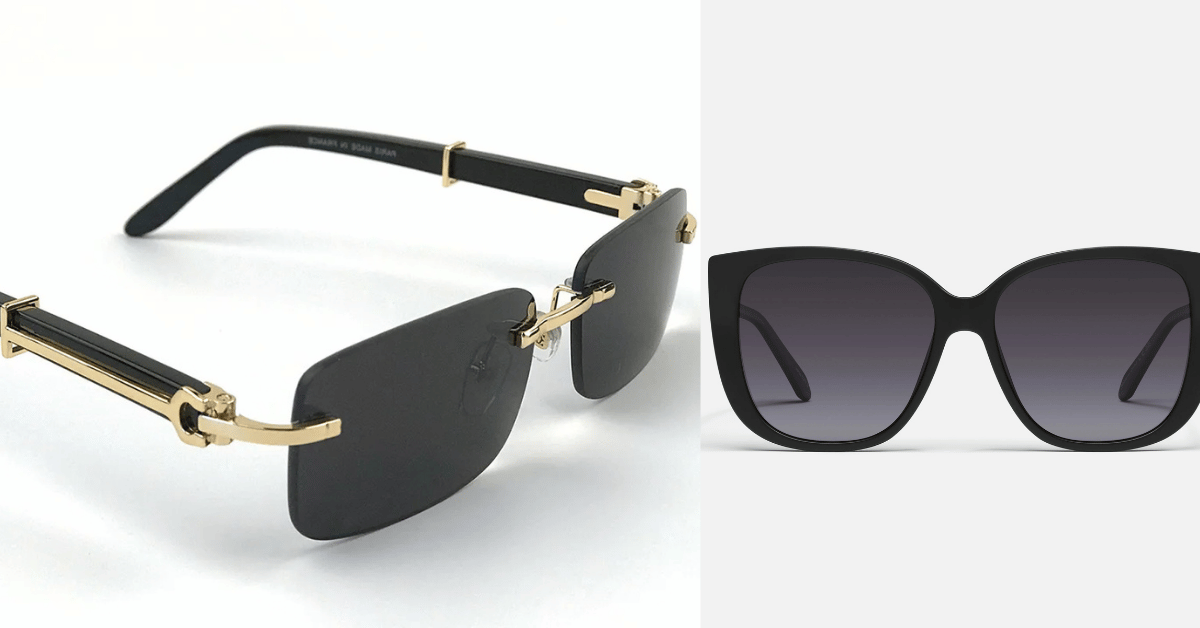
Buffs glasses are closely tied to luxury Cartier eyewear, especially frames made with genuine buffalo horn. The nickname grew out of Detroit, where Cartier glasses have been part of local fashion culture since the 1980s. Real cultural roots there, not just marketing. Over time, people started using “Buffs” more loosely for several recognisable Cartier styles, even when the frames were actually made from metal, wood or acetate.
They’re expensive, instantly recognisable, and often treated as more than ordinary eyewear. Fair to say. Still, not every pair looks the same. Not every Cartier frame should technically get called Buffs, either.
What Are Buffs Glasses, Exactly?
Traditionally, the name comes from buffalo horn, a natural material used on some of Cartier’s premium eyewear. Genuinely a specific origin. The horn commonly appears around the lenses or along the temples, sometimes paired with gold-finish metal and tinted lenses.
In Detroit, the meaning became broader over time. Buffs developed into a local symbol of success, personal style and status. More than just eyewear, really. Musicians, athletes and public figures later helped carry the look far beyond Michigan, but its connection to Detroit remains central to the whole story. Cartier has actually publicly recognised the city’s influence on its eyewear culture. Genuine acknowledgment, not just marketing spin.
Someone might point to rimless Cartier frames and call them Buffs, while another person reserves the word only for genuine horn models. Both uses are common enough. Depends who you ask, really. The second one’s closer to the nickname’s original meaning, though.
How Much Do Buffs Glasses Actually Cost?
There’s no single price here, since the cost depends heavily on the material, collection, finish and retailer. Too many variables for one number.
Standard Cartier sunglasses made from metal, composite or acetate may start below the price of genuine horn designs. Current models on Cartier’s US site include options around $700 to $1,500, though prices vary between collections. Styles using wood or horn often sit closer to the $3,000 to $4,000 range. Noticeable jump there.
The price can rise considerably when a frame includes solid gold, precious stones or other jewellery-grade details. Big jump at that point. Some precious Cartier sunglasses sell for well above $10,000. Genuinely.
Prescription lenses, custom tinting and aftermarket diamond work can also push the final bill up further. Once customisation enters the picture, two pairs that look similar from a distance may end up with very different values. Hard to tell just by looking.
Used Buffs glasses may cost less, sure, but the resale market brings a serious authenticity risk. Proceed carefully there. A low price isn’t automatically a bargain. It might mean heavy wear, replacement parts, or in the worst case, a counterfeit frame entirely. Worth checking closely either way.
Buffalo Horn Buffs Glasses
Genuine horn gives each pair a slightly different appearance. No two truly alike. Natural colour variations and patterns mean white, cream, brown or black horn frames are rarely completely identical to one another.
The material feels distinctive, but it needs more attention than basic plastic. More upkeep than people expect. Cartier advises owners to care for genuine horn using the specialist cream supplied with the product. Not optional, that step. Horn shouldn’t get treated like it’s ordinary acetate, particularly if you want the frame to keep its finish over the years.
White horn is probably the look most people picture first. It creates a sharp contrast against gold-tone hardware and dark lenses. Striking combination, honestly. Black horn has a quieter appearance by comparison, while brown horn offers warmer, more visible natural markings running through it.
Metal, Wood and Acetate Cartier Frames
Horn may have inspired the nickname, but Cartier eyewear actually comes in several other materials too. Worth knowing the full range.
Metal frames are popular because they create a clean, lightweight look. Easy to see why. Gold-finish and platinum-coloured designs are especially common here, often paired with rimless or lightly framed lenses.
Wooden temples give the glasses a warmer appearance overall. Distinctive look on its own. Cartier currently offers designs combining wood with metal details, placing them in a similar luxury price bracket to horn models.
Acetate and composite frames usually look thicker and more contemporary. A different vibe entirely. They may also cost less than precious horn or wood designs, making them a decent entry point for someone who wants Cartier styling without picking one of the most expensive materials.
Popular Buffs Glasses Styles
Rimless Cartier Buffs
Rimless frames place most of the attention on the temples, bridge and lenses. Minimal by design. They have a light appearance and are often seen with rectangular, oval or gently curved lenses.
This style works particularly well with tinted lenses, since the colour becomes part of the frame’s overall design that way. Ties the whole look together.
White Horn Frames
White horn remains one of the most recognisable Buffs glasses styles around. Instantly identifiable, really. Cartier currently offers white-horn designs with gold-finish metal in shapes including oval and more traditional sunglass profiles.
The pale temples stand out immediately, which is exactly what attracts a lot of buyers. That’s kind of the point. They’re not a subtle choice, by any means.
Black Horn Frames
Black horn provides the same natural-material appeal with a darker, less conspicuous finish. Subtler take on the same idea. It pairs easily with grey lenses and gold hardware while still keeping the premium look associated with authentic Buffs.
Tinted and Gradient Lenses
Grey and brown remain practical choices, but coloured and gradient lenses can change the personality of the glasses completely. Whole different look, honestly. Blue, burgundy and rose-tinted options create a more fashion-led appearance overall.
Before choosing a colour solely for style, think about how the lenses will actually perform in bright sunlight. Function matters just as much as looks here. Cartier states that its sunglass lenses include UVA and UVB protection, with the filter category identified right on the frame.
Choosing Buffs Glasses That Actually Suit Your Face
Don’t buy a pair just because the style looks good on someone else. Worth repeating that one. Different faces, different results entirely.
Rectangular lenses can add structure to a rounder face, while oval frames may soften sharper features. Match the shape to yourself, basically. Wider frames need to sit securely without extending too far beyond the sides of your face.
The bridge should rest comfortably, and the temples shouldn’t press tightly behind your ears. Comfort trumps everything else here. Genuine horn and luxury detailing won’t make an uncomfortable frame fit any better, no matter how nice it looks.
Checking Whether Buffs Glasses Are Authentic
Counterfeit luxury eyewear can look surprisingly convincing in photographs. That’s the tricky part. Check the model details, engravings, hinges, material quality and overall finish carefully before buying anything.
Packaging alone proves very little, since boxes and cases can get copied too. Doesn’t guarantee anything. Buying through Cartier, an authorised optical retailer or a reputable luxury reseller gives you far stronger protection than buying from an unknown social media seller.
Authentic Buffs glasses are expensive because of the brand, materials and construction involved. That cost reflects real value. A supposedly new horn pair offered at a tiny fraction of the normal price deserves real suspicion.
Frequently Asked Questions
Are all Cartier glasses called Buffs?
No. It originally means buffalo-horn frames, though the term’s used more broadly now.
Are Buffs Glasses made from real buffalo horn?
Some are. Others use metal, wood, acetate or composite instead.